Top Fishing Techniques Used in Papagayo Costa Rica
Top Fishing Techniques Used in Papagayo: A Complete Guide for Every Angler
SEO Title: Top Fishing Techniques Used in Papagayo Fishing Charters (2026 Guide)
Meta Description: Learn the top fishing techniques used on Papagayo fishing charters, including trolling, jigging, live bait fishing, popping, and bottom fishing for offshore and inshore species.
Top Fishing Techniques Used in Papagayo
The Gulf of Papagayo is one of Costa Rica’s premier sportfishing destinations, attracting anglers from around the world with its productive Pacific waters, abundant marine life, and year-round fishing opportunities. Whether you’re chasing trophy blue marlin offshore or battling powerful roosterfish along the rocky coastline, understanding the fishing techniques used by local captains can greatly enhance your experience.
Professional Papagayo fishing charters rely on a variety of proven methods depending on the season, target species, weather conditions, and water depth. Experienced captains continually adapt their approach throughout the day, giving anglers the best opportunity to hook everything from sailfish and yellowfin tuna to snapper and roosterfish.
In this guide, you’ll learn about the most effective techniques used during sportfishing Papagayo adventures and discover why these methods consistently produce outstanding catches for beginners and experienced anglers alike.
Why Fishing Techniques Matter
Every fish species behaves differently.
Some predators hunt near the surface, while others stay close to reefs or underwater structures. Pelagic fish such as marlin and sailfish roam the open ocean, whereas roosterfish, snapper, and jack crevalle patrol rocky shorelines and islands.
Choosing the right technique increases your chances of success and allows your captain to target specific species during both offshore fishing Papagayo and inshore fishing Papagayo trips.
Professional crews carefully monitor:
- Ocean currents
- Water temperature
- Bird activity
- Floating debris
- Baitfish schools
- Tide changes
- Wind direction
These conditions help determine which fishing method will be most productive on any given day.
Trolling: The Most Popular Offshore Technique
Trolling is the foundation of most Papagayo fishing charters.
During trolling, the boat moves at a controlled speed while multiple fishing lines are pulled behind it. Artificial lures, skirted baits, teasers, and rigged natural baits imitate injured fish, attracting large predators.
This technique allows captains to cover large areas of blue water while searching for active fish.
Species Commonly Targeted
- Blue Marlin
- Black Marlin
- Striped Marlin
- Pacific Sailfish
- Yellowfin Tuna
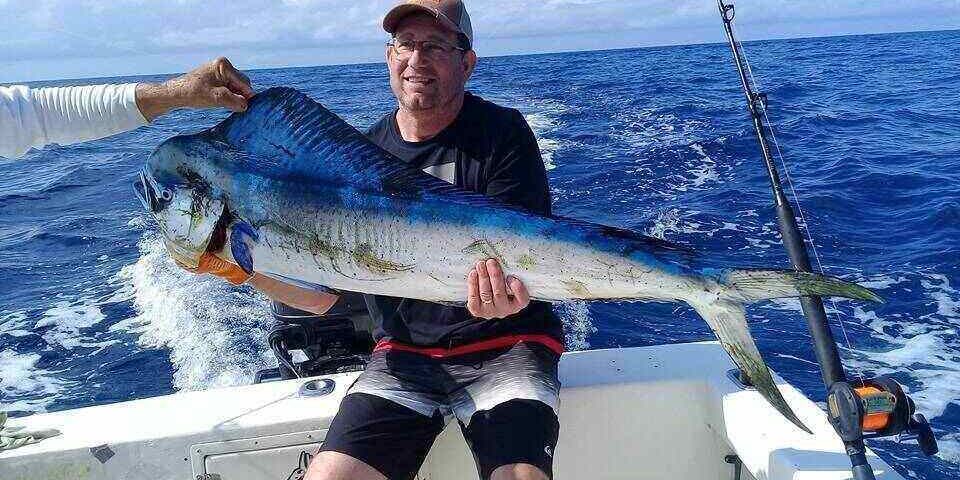
- Dorado (Mahi-Mahi)
- Wahoo
Captains often deploy four to eight rods simultaneously, with each lure positioned at different distances behind the boat to create a natural bait spread.
Live Bait Fishing
When fish become selective or less aggressive, live bait often produces exceptional results.
Healthy baitfish such as bonito, blue runners, sardines, or goggle eyes are presented naturally in areas where predators are actively feeding.
Live bait is especially productive during both sportfishing Papagayo offshore trips and inshore excursions targeting reef species.
Advantages of Live Bait
- Natural swimming action
- Highly attractive to predators
- Excellent for trophy fish
- Effective during slower bite periods
- Ideal around reefs and bait schools
Many experienced anglers consider live bait one of the most productive methods available.
Slow Trolling Live Baits
Slow trolling combines the advantages of live bait with controlled boat movement.
Instead of pulling artificial lures at higher speeds, captains slowly tow live bait around floating debris, underwater seamounts, or current lines.
This method is particularly successful for:
- Sailfish
- Marlin
- Yellowfin Tuna
- Dorado
Slow trolling allows the bait to swim naturally while covering more water than stationary fishing.
Kite Fishing
Although not used every day, kite fishing can be highly effective when targeting billfish.
A specialized kite suspends live bait on the surface, keeping the fishing line almost entirely out of the water.
This presentation creates a realistic struggling baitfish that often triggers explosive surface strikes from sailfish and marlin.
Many experienced anglers enjoy kite fishing because they can watch the fish attack the bait before setting the hook.
Vertical Jigging
Vertical jigging has become increasingly popular during offshore fishing Papagayo.
Heavy metal jigs are dropped directly beneath the boat before being rapidly retrieved using sharp upward rod movements.
The erratic action imitates wounded baitfish, attracting aggressive predators.
Fish Commonly Caught
- Amberjack
- Yellowfin Tuna
- Cubera Snapper
- Grouper
- African Pompano
Vertical jigging is physically demanding but often produces outstanding catches around deep reefs and offshore pinnacles.
Speed Jigging
Speed jigging is a variation of vertical jigging that uses faster retrieves to provoke reaction strikes.
This technique is especially productive when tuna schools are actively feeding in deeper water.
The constant movement creates excitement and often results in multiple hook-ups.
Topwater Popping
Topwater popping is one of the most exciting forms of sportfishing Papagayo.
Large surface poppers create loud splashes and vibrations that imitate distressed baitfish.
The dramatic surface explosions that follow make this technique incredibly popular among experienced anglers.
Target Species
- Roosterfish
- Giant Cubera Snapper
- Jack Crevalle
- Yellowfin Tuna
Watching a large predator explode on a surface lure is an unforgettable experience.
Stickbait Fishing
Stickbaits offer a quieter presentation than poppers.
These lures glide naturally across the water with side-to-side movements that imitate fleeing baitfish.
Captains often alternate between poppers and stickbaits depending on fish activity and sea conditions.
Casting Artificial Lures
Artificial lure casting is commonly used during inshore fishing Papagayo.
The captain positions the boat close to rocky shorelines, islands, reefs, or river mouths where predatory fish wait in ambush.
Anglers cast toward structure before retrieving the lure through likely feeding zones.
Popular lures include:
- Surface plugs
- Soft plastics
- Swimbaits
- Spoons
- Jerkbaits
Live Bait Casting for Roosterfish
Roosterfish are among Costa Rica’s most sought-after game fish.
Captains frequently use live bait such as mullet or blue runners cast near rocky beaches and headlands.
Roosterfish aggressively attack bait swimming near the surface, creating thrilling visual strikes.
Bottom Fishing
Bottom fishing targets species living around reefs, rocky ledges, and underwater structures.
Weighted rigs carry fresh bait directly to the ocean floor.
This method is especially productive during slower offshore periods.
Species Targeted
- Cubera Snapper
- Grouper
- Amberjack
- Triggerfish
- Tilefish
- Roosterfish
- White Seabass
Bottom fishing provides consistent action for anglers interested in bringing home fresh fish for dinner.
Drift Fishing
Drift fishing allows the current to move the boat naturally across productive areas.
Baits or jigs remain in the strike zone longer without the engine disturbing nearby fish.
This technique works well around offshore reefs and bait schools.
Chunking for Tuna
When yellowfin tuna are feeding beneath the surface, captains sometimes use chunking.
Small pieces of bait are gradually released into the water, creating a feeding trail that attracts tuna toward the boat.
Once the fish are actively feeding, anglers present larger hooked baits.
This method can produce outstanding action during tuna season.
Fishing Around Floating Debris
Floating logs, weed lines, and other debris naturally attract baitfish.
Predators gather beneath these floating structures looking for easy meals.
Captains often investigate floating objects during offshore fishing Papagayo, as they frequently hold:
- Dorado
- Wahoo
- Tuna
- Sailfish
These areas can produce multiple species within a short period.
Reef Fishing
Papagayo’s volcanic coastline creates extensive reef systems that support incredible biodiversity.
Captains use precise boat positioning to fish around:
- Rocky points
- Underwater ledges
- Islands
- Coral formations
These habitats consistently produce quality reef fish.
Fishing Current Lines
Current lines occur where different water masses meet.
These areas concentrate baitfish, attracting larger predators.
Professional captains constantly monitor ocean conditions to locate productive current breaks during Papagayo fishing charters.
Reading Bird Activity
Birds are one of a captain’s most valuable tools.
Frigatebirds, boobies, terns, and pelicans often reveal the location of feeding fish below the surface.
When birds begin diving repeatedly, captains quickly investigate the area, as it may indicate active tuna, dorado, or sailfish.
Fishing Around Bait Balls
Schools of sardines and other baitfish often gather into dense “bait balls.”
Predators surround these schools from every direction.
Captains may troll around the edges or cast lures directly into the feeding frenzy for spectacular action.
Seasonal Technique Adjustments
Fishing techniques change throughout the year.
During calmer months, offshore trolling may dominate the day.
When bait is concentrated closer to shore, captains may spend more time casting, jigging, or using live bait.
Local knowledge plays a significant role in selecting the right strategy for current conditions.
Equipment Used by Professional Crews
Modern sportfishing Papagayo boats are equipped with premium gear designed for each technique.
Typical equipment includes:
- Heavy-duty trolling rods
- High-speed conventional reels
- Spinning outfits
- Jigging rods
- Heavy fluorocarbon leaders
- Circle hooks
- Electric teaser reels
- Fish finders
- GPS navigation systems
- Outriggers
Using quality equipment improves both hook-up ratios and fish handling.
Catch-and-Release Best Practices
Costa Rica is recognized for its commitment to sustainable sportfishing.
Many Papagayo fishing charters practice catch-and-release for billfish, helping maintain healthy populations for future generations.
Professional crews follow responsible practices by:
- Using circle hooks whenever possible
- Minimizing fight times
- Keeping fish in the water during release
- Reviving tired fish before release
- Handling fish carefully to reduce stress
These conservation efforts have helped establish Costa Rica as one of the world’s leading sportfishing destinations.
Choosing the Right Technique for Your Trip
The ideal fishing method depends on your goals.
If you’re hoping to catch trophy marlin or sailfish, offshore trolling and live bait fishing are excellent choices.
For anglers interested in action-packed inshore adventures, casting lures, popping, and live bait fishing near rocky points often produce memorable roosterfish, jack crevalle, and snapper.
If variety is your priority, many captains combine several techniques throughout the day, allowing guests to experience the full range of opportunities available during offshore fishing Papagayo and inshore fishing Papagayo trips.