Best Time of Year for Fishing in Papagayo Costa Rica
If you are planning a fishing trip in Costa Rica, choosing the right time of year can make a big difference in the type of fishing experience you have. The Gulf of Papagayo is known for its combination of productive inshore waters and offshore fishing grounds, giving anglers opportunities to target a wide variety of species throughout the year.
But when is the best time to go fishing in Papagayo?
The answer depends on what you want to catch, whether you prefer inshore or offshore fishing, and how much time you want to spend on the water. Some months can be particularly productive for offshore game fish, while other periods offer excellent conditions for inshore species closer to the coastline.
This guide explains the fishing seasons in Papagayo Costa Rica, what you can expect throughout the year, and how to choose the right type of charter for your trip.
Why Is Papagayo a Great Fishing Destination?
The Gulf of Papagayo is located along the northern Pacific coast of Costa Rica in Guanacaste. Its protected bays, rocky structures, islands, reefs, and access to deeper Pacific waters create a variety of fishing environments.
One of the biggest advantages of fishing in Papagayo is that you do not have to wait for a single short fishing season. Fishing is possible throughout much of the year, although the species you are most likely to encounter can change with the seasons.
This makes the area suitable for different types of anglers.
Someone interested in catching roosterfish close to shore may choose an inshore trip, while an angler hoping to encounter sailfish, marlin, mahi-mahi, or tuna may prefer to travel farther offshore.
This variety is one reason visitors consider papagayo fishing charters when planning a Costa Rica vacation.
What Is the Overall Fishing Season in Papagayo?
Papagayo offers fishing opportunities throughout the year, but the conditions are influenced by Costa Rica’s dry and green seasons.
The dry season generally runs from December through April, while the green season typically begins around May and continues into November.
These seasons can influence weather, sea conditions, bait activity, water conditions, and the behavior of different fish.
The dry season is popular with visitors because of the generally sunny weather and lower rainfall. The green season can also offer excellent fishing, and the changing conditions can create productive opportunities for different species.
Instead of asking whether one season is simply “good” or “bad,” it is more useful to consider what kind of fishing you want to experience.
Fishing in Papagayo During the Dry Season
December through April is generally considered Costa Rica’s dry season.
This is one of the most popular periods for tourism in Guanacaste, and many visitors choose these months for outdoor activities because there is typically less rainfall.
For anglers, dry-season fishing can provide comfortable conditions for spending time on the water.
December and January
December and January are excellent months to consider if you want to combine a fishing trip with a vacation in Guanacaste.
The weather is often favorable for getting out on the Pacific, and both inshore and offshore fishing opportunities are available.
Inshore anglers can target species around rocky shorelines, reefs, islands, and other structure.
Offshore trips can provide opportunities for larger pelagic species depending on current conditions, bait availability, and where the fish are located.
These months can also be popular with travelers visiting Costa Rica during the holiday period, so it is a good idea to plan your fishing charter in advance.
February and March
February and March fall within the heart of the dry season.
These months are often attractive to anglers who want to spend a full day on the water without having to plan around frequent rain showers.
Offshore fishing can be productive, while inshore fishing continues to provide opportunities for anglers who prefer shorter trips.
If you are traveling specifically for sport fishing, February and March can be useful months to consider when building your itinerary.
April
April marks the end of the traditional dry season.
It is also a popular month for visitors because of the warm weather and holiday travel.
Fishing remains available in both inshore and offshore waters, although conditions can vary from day to day.
April can be an interesting transition period because the season is beginning to change. Anglers who are flexible about the exact species they catch can still have a rewarding fishing experience.
Fishing in Papagayo During the Green Season
The green season typically begins in May and continues through November.
The name “green season” comes from the increase in rainfall, which helps transform Guanacaste’s landscape after the dry months.
Rain does not necessarily mean that fishing stops.
In fact, many anglers continue to fish throughout the green season because the Pacific coast remains an active fishing destination.
One advantage of traveling during this period is that there can be fewer tourists compared with the busiest dry-season months.
May and June
May and June are transition months.
The landscape becomes greener, and weather patterns begin to change.
Fishing remains available both near shore and offshore. For anglers interested in exploring different fishing environments, this can be an appealing time to visit.
A flexible approach is useful because weather and ocean conditions can change.
July and August
July and August can provide good fishing opportunities while also falling within the green season.
Costa Rica sometimes experiences a relative reduction in rainfall during part of this period, often referred to as the “veranillo” or little summer.
The exact timing and intensity can vary, but these months can be an interesting option for travelers looking for a balance between fishing and other Guanacaste activities.
Inshore fishing can be particularly appealing for shorter trips, while offshore trips are available for anglers who want to spend more time searching for larger pelagic species.
September and October
September and October generally see more rainfall in many parts of Costa Rica.
That does not mean fishing is impossible, but weather becomes an especially important consideration when planning a trip.
If your primary goal is fishing, choosing a flexible schedule can be helpful.
For visitors who are already staying in Guanacaste, local fishing operators can determine whether ocean conditions are suitable for the planned trip.
November
November is another transition month.
Rainfall can begin decreasing as the country moves toward the dry season.
Fishing opportunities continue, and November can be an attractive option for travelers who want to visit before the busiest holiday period begins.
Best Time for Offshore Fishing in Papagayo
If your main goal is offshore sport fishing, your ideal travel dates may be different from those of someone looking for an easy half-day inshore trip.
Offshore fishing takes anglers farther from the coast and into deeper Pacific waters.
Depending on the season and conditions, anglers may target species such as:
- Sailfish
- Marlin
- Mahi-mahi
- Yellowfin tuna
- Wahoo
- Other pelagic game fish
Offshore fishing is influenced by water temperature, currents, bait, weather, and fish movement. As a result, there is no single date that guarantees a particular species.
For serious anglers, a longer trip provides more time to travel to productive areas and adjust the fishing strategy during the day.
This is where full day and 3/4 day offshore fishing charters in Papagayo Costa Rica can be especially useful.
A longer charter gives you more fishing time and allows the crew to cover more water.
Best Time for Inshore Fishing in Papagayo
Inshore fishing is a great option if you want to spend less time traveling and more time fishing relatively close to the coastline.
The Gulf of Papagayo has rocky shorelines, islands, reefs, and underwater structures that can attract a variety of species.
Depending on the conditions and location, anglers may encounter:
- Roosterfish
- Snapper
- Jack crevalle
- Grouper
- Mackerel
- Other coastal species
Inshore trips can also be a good choice for families, beginners, and travelers who are working with a limited schedule.
The fishing can be exciting without requiring an entire day on the boat.
Half day and full day inshore fishing charters Papagayo Costa Rica provide different options depending on how much time you want to spend fishing.
A half-day trip can work well for visitors who want to combine fishing with other activities, while a full-day inshore trip provides additional time to explore different areas and fishing spots.
When Is the Best Time for Roosterfish in Papagayo?
Roosterfish are one of the species that attract anglers to Costa Rica’s Pacific coast.
They are known for their distinctive appearance and powerful runs, making them a popular target for inshore anglers.
Papagayo’s rocky coastline and structure provide suitable habitat for roosterfish.
Because fishing conditions vary throughout the year, there is no guarantee of catching roosterfish on a specific date.
However, anglers interested in targeting them can discuss their goals with the charter crew before leaving the dock.
If roosterfish are your priority, an inshore fishing trip may make more sense than booking an offshore charter designed primarily around pelagic species.
When Is the Best Time for Sailfish and Marlin?
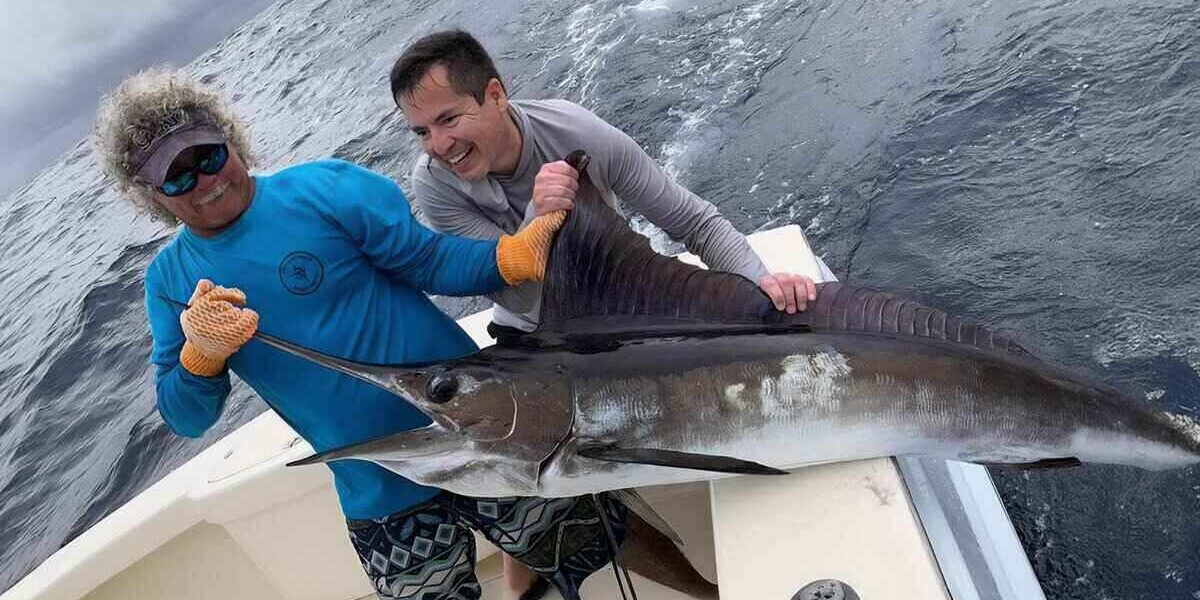
Sailfish and marlin are among the larger game fish that anglers may target offshore in Costa Rica.
These species are not simply available according to a fixed calendar. Their movements are influenced by ocean conditions, currents, bait, water temperature, and other environmental factors.
For that reason, anglers should think of seasonal fishing information as a guide rather than a guarantee.
If catching a billfish is your main objective, consider booking a longer offshore trip. More time on the water can give the crew additional opportunities to locate productive conditions.
This is one reason papagayo fishing charters that offer 3/4-day and full-day offshore options can be attractive to experienced anglers.
When Is the Best Time for Mahi-Mahi and Tuna?
Mahi-mahi and tuna are popular offshore targets because they are strong fighters and can provide exciting action when conditions are right.
Mahi-mahi are often associated with floating debris, current lines, weed lines, and other areas where baitfish gather.
Tuna can also move through productive offshore waters while following concentrations of bait.
The exact location of these fish can change, so experienced crews pay attention to current conditions rather than relying solely on a seasonal calendar.
If you are hoping to catch mahi-mahi or tuna, tell the crew what species you are interested in before the trip. They can then consider the day’s conditions when determining where and how to fish.
How Long Should Your Papagayo Fishing Charter Be?
The best charter length depends on your goals.
Half-Day Inshore Fishing
A half-day inshore trip is a practical choice if you have a limited schedule.
It can be ideal for:
- Families
- First-time anglers
- Beginners
- Travelers combining fishing with other activities
- Visitors who prefer a shorter day on the water
You can spend several hours fishing without committing your entire vacation day to the boat.
Full-Day Inshore Fishing
A full-day inshore trip gives you additional time to explore the Gulf of Papagayo.
It can be useful if you want to spend more time targeting coastal species or exploring different fishing areas.
3/4-Day Offshore Fishing
A 3/4-day offshore trip offers a middle ground between a full day and a shorter charter.
It gives the crew more time to travel offshore and search for productive fishing grounds while leaving some flexibility in your vacation schedule.
Full-Day Offshore Fishing
A full-day offshore charter is an option for anglers who want to maximize their time on the Pacific.
The additional hours can be valuable when targeting larger offshore species because the crew has more time to travel, search, adjust tactics, and fish.
If catching a particular offshore species is the main goal of your vacation, a full-day trip may give you more opportunities than a short trip close to shore.
Does the Time of Year Matter More Than the Weather?
Seasonal patterns are useful, but the actual conditions on the day of your charter matter too.
Ocean conditions can change. Wind, waves, currents, water temperature, bait concentrations, and recent weather can all influence where fish are found.
That is why experienced crews do not simply follow a calendar.
They consider current conditions and adjust the fishing strategy accordingly.
For visitors, this means that choosing a generally favorable season is only part of planning a successful fishing trip.
Being flexible and listening to the local crew can be just as important.
What Should You Consider When Choosing Your Fishing Date?
When deciding when to book your Papagayo fishing trip, consider these five factors.
1. Your Target Species
Start by deciding what you want to catch.
An angler targeting roosterfish may choose an inshore trip, while someone interested in sailfish or marlin will generally want an offshore experience.
2. Your Available Time
If you only have a few hours available, an inshore trip can fit more easily into your itinerary.
If fishing is one of the main reasons for your Costa Rica vacation, consider dedicating most of a day to the experience.
3. The Season
Consider whether you prefer traveling during the dry season or green season.
Both can provide fishing opportunities, but weather and ocean conditions vary throughout the year.
4. Your Fishing Experience
Beginners do not necessarily need to book the longest charter available.
A half-day inshore trip can be a comfortable introduction to fishing in Papagayo.
Experienced anglers with specific offshore goals may prefer a longer trip.
5. Flexibility
If possible, leave some flexibility in your itinerary.
Weather and ocean conditions cannot be controlled, and local crews may have better information about current conditions than a seasonal guide can provide.
Tips for Planning Your Papagayo Fishing Trip
Once you have selected your approximate travel dates, there are a few ways to make the experience easier.
Book your charter early if you are traveling during a busy holiday period. Popular dates can fill quickly.
Tell the crew what type of fishing you want before the trip. If you are interested in roosterfish, tuna, mahi-mahi, sailfish, or another species, make that clear.
Choose your charter length based on your goals rather than simply choosing the longest option.
Finally, remember that fishing is unpredictable. Even during a traditionally productive period, there is never a guarantee that you will catch a specific fish.
The goal is to choose the conditions, trip length, and fishing style that give you the type of experience you are looking for.
So, What Is the Best Time of Year for Fishing in Papagayo Costa Rica?
There is no single month that is perfect for every angler.
The best time depends on what you want from your fishing trip.
The dry season from December through April offers popular travel conditions and excellent opportunities for both inshore and offshore fishing. The green season from May through November can also provide productive fishing, while offering a different vacation atmosphere and often fewer visitors.
For inshore anglers, half day and full day inshore fishing charters Papagayo Costa Rica provide flexible ways to explore the Gulf and target coastal species.
For anglers focused on offshore game fish, full day and 3/4 day offshore fishing charters in Papagayo Costa Rica provide more time to travel offshore and search for productive fishing grounds.
Ultimately, the best approach is to choose your travel dates based on your target species, preferred fishing style, available time, and tolerance for changing weather conditions.
With the right expectations and a charter suited to your goals, fishing in Papagayo can be an exciting part of a Costa Rica vacation at many times of the year.